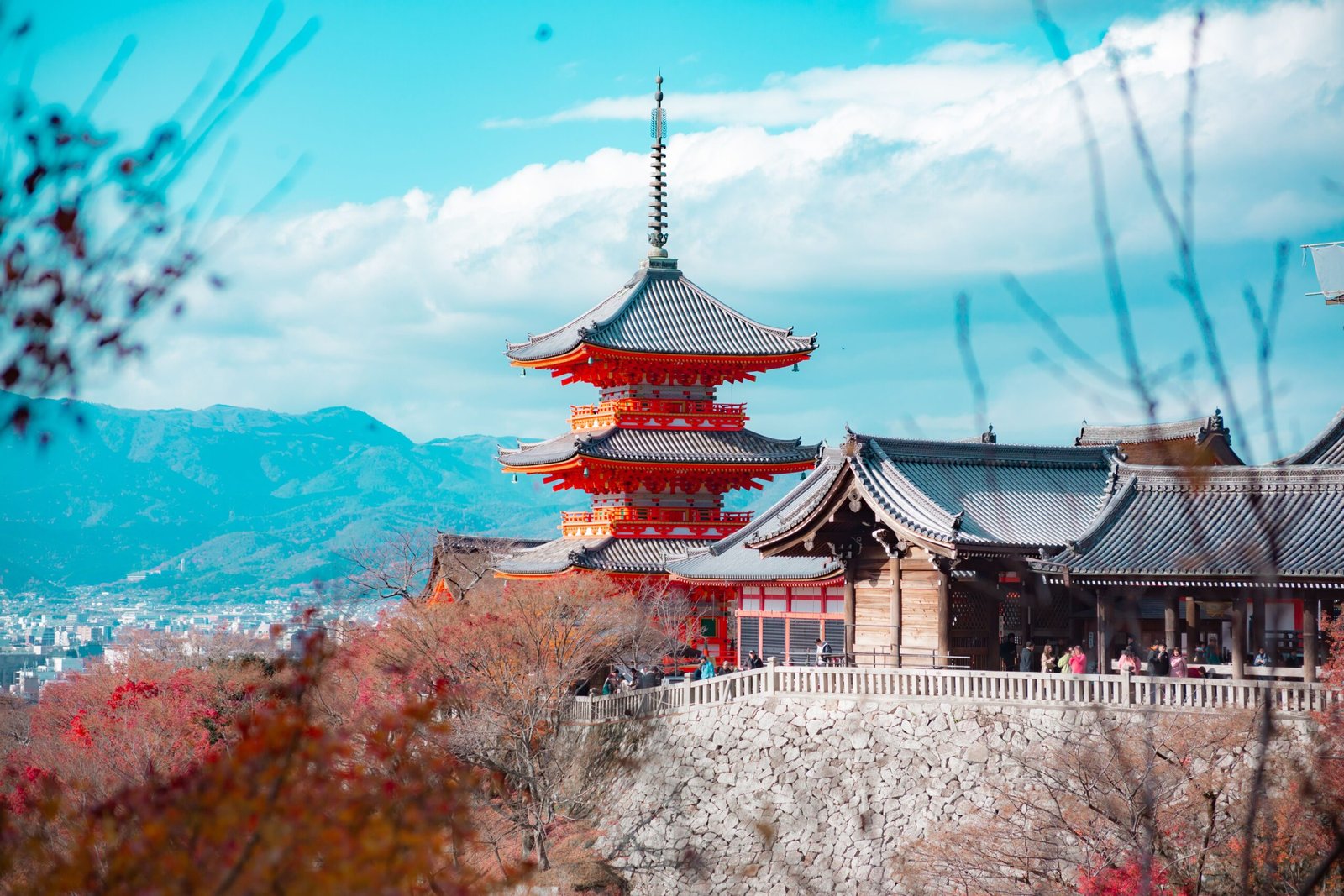
Japan consistently ranks among the world’s top travel destinations, and it’s easy to see why. Where else can you bow before a thousand-year-old shrine in the morning and ride a levitating bullet train in the afternoon? Japan is a country that seamlessly blends ancient tradition with cutting-edge innovation, offering travelers a experience unlike anywhere else on Earth.
What makes Japan truly unique is this contrast: neon-lit megacities standing minutes away from tranquil bamboo forests, centuries-old tea ceremonies coexisting with vending machines that sell hot ramen, and a culture rooted in deep respect and hospitality (known as omotenashi) that makes every visitor feel welcome. Add to that the safety, cleanliness, incredible food, and efficient infrastructure, and you have a destination that appeals to everyone — from solo backpackers to luxury travelers and families.
If you’re planning your first trip, this guide covers everything you need to know: the best time to visit, visa requirements, budgeting, top destinations, transportation, food, etiquette, packing tips, a sample itinerary, and common mistakes to avoid. By the end, you’ll have a complete roadmap to plan a smooth, unforgettable trip to Japan.
Best Time to Visit Japan
Japan’s four distinct seasons each offer a completely different travel experience, so timing your trip depends largely on what you want to see and do.
Spring (March–May): Cherry Blossoms
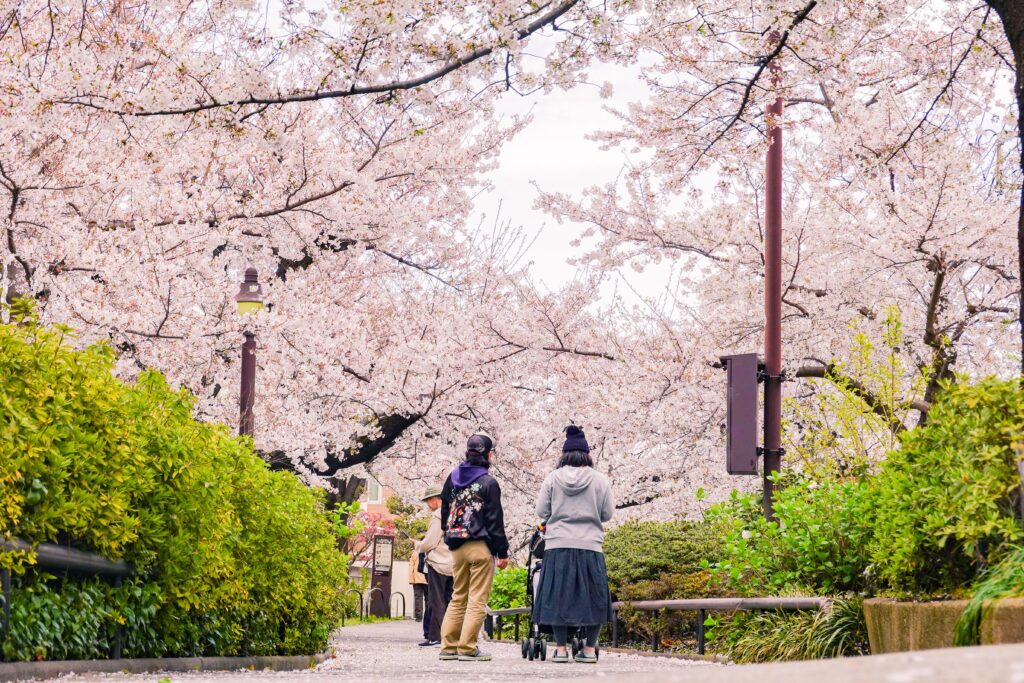
Spring is Japan’s most iconic season, famous for sakura (cherry blossoms) that transform parks and streets into pink and white canopies. Late March to early April is peak bloom in most of the country, though exact timing varies by region. Expect mild weather, blooming gardens, and hanami (flower-viewing) picnics — but also larger crowds and higher hotel prices.
Summer (June–August): Festivals
Summer brings vibrant festivals (matsuri), spectacular fireworks displays, and lively street food stalls. However, it also brings intense heat, high humidity, and a rainy season in June. This is a great time for festival lovers but less ideal for those sensitive to heat.
Autumn (September–November): Fall Colors
Autumn rivals spring in beauty, with fiery red and orange foliage (koyo) blanketing temples, mountains, and gardens, especially in Kyoto and Nikko. The weather is comfortable, crowds are slightly smaller than spring, and photography opportunities are outstanding.
Winter (December–February): Snow & Skiing
Winter transforms Hokkaido and the Japanese Alps into world-class ski and snowboard destinations, while cities like Tokyo and Osaka remain mild and crowd-free. It’s also a wonderful time to enjoy hot springs (onsen) surrounded by snow.
Which Season Is Best for Different Travelers
- First-timers wanting iconic views: Spring or Autumn
- Festival and nightlife lovers: Summer
- Winter sports enthusiasts: Winter
- Budget travelers avoiding crowds: Winter or early Autumn
Visa & Entry Requirements
Visa-Free Countries
Japan allows citizens of many countries — including the United States, Canada, the UK, Australia, and most EU nations — to enter visa-free for short-term tourism (typically up to 90 days). However, requirements change periodically, so always check Japan’s official embassy website or consult your nearest Japanese embassy before booking your trip.
Travel Documents
You’ll generally need:
- A passport valid for the duration of your stay
- A return or onward flight ticket
- Proof of sufficient funds (occasionally requested)
- A completed disembarkation card (often available digitally through Japan’s Visit Japan Web service)
Customs
Japan has strict customs regulations. Certain medications (including some common over-the-counter drugs) are restricted or banned, so research your prescriptions in advance. Duty-free allowances apply to alcohol, tobacco, and perfume.
Immigration Tips
- Register in advance using Visit Japan Web to speed up immigration and customs.
- Keep a printed and digital copy of your accommodation details.
- Have your passport and documents easily accessible for immigration checks.
Planning Your Budget
Japan has a reputation for being expensive, but it’s very possible to visit on a modest budget if you plan wisely.
Flights
International flights vary widely depending on origin and season, generally ranging from moderate to premium pricing. Booking 3–6 months in advance and avoiding peak seasons (cherry blossom season, Golden Week, New Year) can save significantly.
Hotels
- Budget hostels/capsule hotels: affordable
- Mid-range business hotels: moderate
- Luxury hotels and ryokans (traditional inns): premium
Food
Japan offers incredible value dining, from ¥300 ramen bowls to convenience store meals to Michelin-starred sushi counters.
Transportation
Costs depend heavily on how much you travel by Shinkansen versus local trains and buses (more on this below).
Attractions
Many shrines and parks are free or low-cost, while museums, theme parks, and special exhibits carry entrance fees.
Sample Daily Budgets
| Traveler Type | Accommodation | Food | Transport & Attractions | Total/Day (approx.) |
|---|---|---|---|---|
| Budget | Hostel/capsule hotel | Convenience stores, ramen shops | Local trains, free sights | Low cost |
| Mid-range | Business hotel | Casual restaurants, occasional splurge | IC card + some Shinkansen | Moderate cost |
| Luxury | Ryokan/5-star hotel | Fine dining, omakase | Private transport, JR Pass, premium tours | High cost |
(Exact figures fluctuate with exchange rates and season — check current pricing before booking.)
Where to Visit
Tokyo
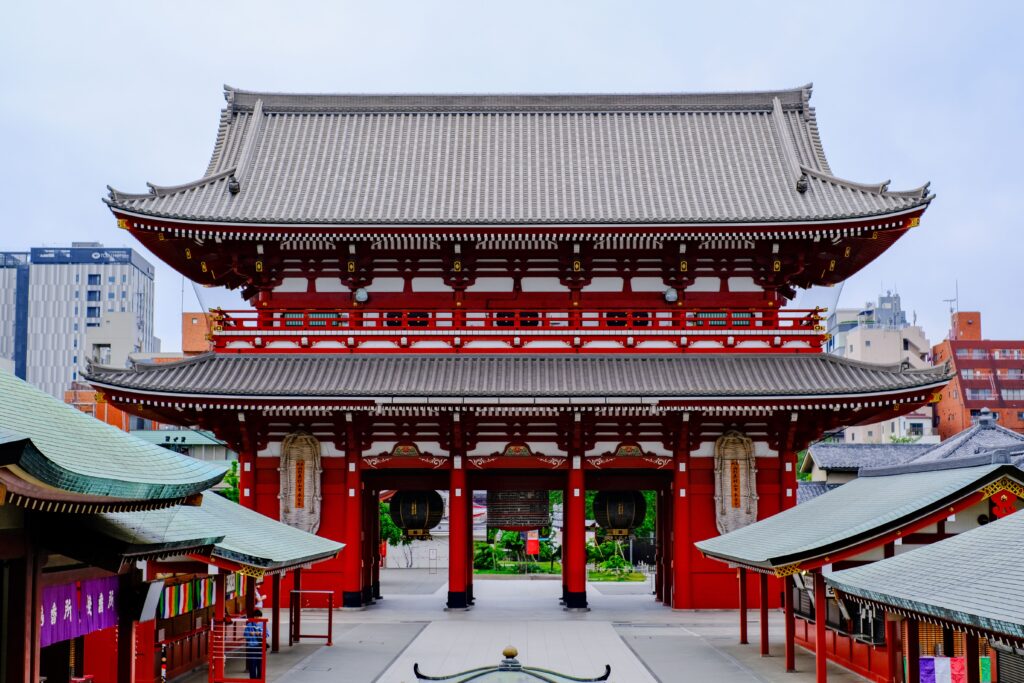
Japan’s dazzling capital blends futuristic skyscrapers with historic neighborhoods like Asakusa. Don’t miss Shibuya Crossing, Shinjuku’s nightlife, and the Meiji Shrine.
Kyoto
The cultural heart of Japan, home to thousands of temples and shrines, including the iconic Fushimi Inari Shrine and its thousands of torii gates, and the Arashiyama Bamboo Grove.
Osaka
Known for its incredible street food, especially in the Dotonbori district, and landmarks like Osaka Castle.
Nara
A short trip from Kyoto or Osaka, famous for Nara Park’s friendly wild deer and the impressive Todai-ji Temple housing a giant Buddha statue.
Hiroshima
A city of resilience and peace, home to the Peace Memorial Park and Museum, plus the stunning Itsukushima Shrine on nearby Miyajima Island.
Mount Fuji
Japan’s iconic and highest peak, best viewed (or climbed in season) from the Fuji Five Lakes region.
Hakone
A popular mountain getaway known for hot springs, Lake Ashi cruises, and views of Mount Fuji.
Hokkaido
Japan’s northernmost island, famous for powder snow skiing in winter and lavender fields, seafood, and cooler temperatures in summer.
Transportation Guide
Japan’s transportation system is famously efficient, punctual, and easy to navigate once you understand the basics.
Shinkansen (Bullet Train)
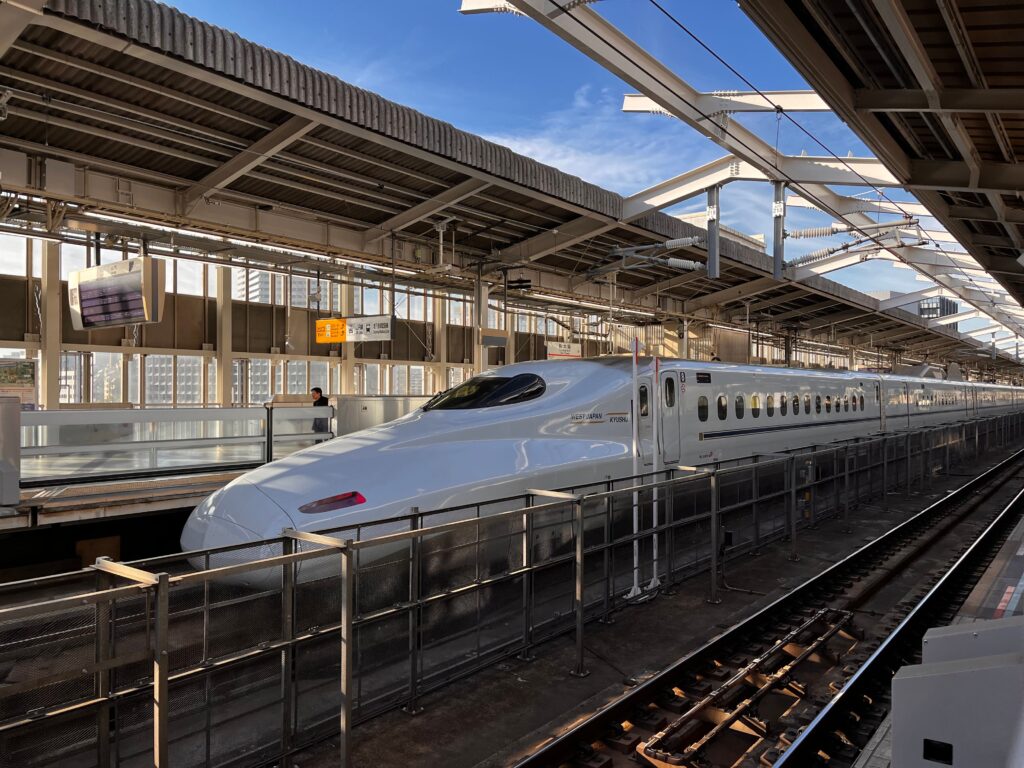
The Shinkansen connects major cities at speeds up to 320 km/h, making day trips between cities like Tokyo and Kyoto fast and comfortable.
Japan Rail Pass
The JR Pass offers unlimited travel on most JR trains (including many Shinkansen lines) for a set number of days. It can offer excellent value for travelers covering multiple cities, though it’s worth calculating whether it’s cheaper than individual tickets for your specific itinerary.
IC Cards (Suica/PASMO)
These rechargeable cards work on trains, subways, buses, and even at convenience stores and vending machines — a must-have for convenience.
Subway Systems
Tokyo and Osaka have extensive subway networks. Google Maps and apps like Japan Travel by NAVITIME are excellent for navigating routes and platform numbers.
Local Buses
Useful in cities with limited train coverage, like Kyoto, where buses reach many temples not served by subway.
Taxis
Convenient but pricier than trains; useful late at night or with heavy luggage. Most taxis accept IC cards and cash.
Japanese Food You Must Try
Japan is a food lover’s paradise. Here are the must-try dishes:
- Sushi – Fresh, expertly prepared, from conveyor-belt chains to high-end omakase counters
- Ramen – Rich broths (tonkotsu, shoyu, miso) with springy noodles
- Udon – Thick, chewy wheat noodles, often served in simple broth
- Tempura – Lightly battered, deep-fried seafood and vegetables
- Yakitori – Grilled skewered chicken, popular at izakayas (Japanese pubs)
- Okonomiyaki – A savory pancake packed with cabbage, meat, and toppings
- Takoyaki – Octopus-filled batter balls, an Osaka specialty
- Wagyu Beef – Melt-in-your-mouth marbled beef, best enjoyed as steak or shabu-shabu
- Matcha Desserts – Green tea-flavored ice cream, cakes, and sweets found throughout the country
Japanese Culture & Etiquette
Respecting local customs will make your trip smoother and more enjoyable.
- Removing shoes – Required when entering homes, some restaurants, temples, and ryokans
- Queue etiquette – Japanese people queue in orderly lines for trains, elevators, and stores — always wait your turn
- Quiet public transport – Phone calls and loud conversations are discouraged on trains
- Tipping – Not customary in Japan and can even cause confusion; excellent service is simply the standard
- Temple etiquette – Bow respectfully, avoid loud behavior, and follow posted rules for photography
- Onsen rules – Wash thoroughly before entering the bath, and note that many onsens prohibit visible tattoos
- Cash vs. cards – While cards are increasingly accepted, many smaller restaurants, shops, and rural areas remain cash-only, so carry yen at all times
Essential Packing List
- Universal adapter – Japan uses Type A/B plugs at 100V
- Comfortable shoes – You’ll walk far more than expected, especially exploring temples and cities
- Portable Wi-Fi or eSIM – Essential for navigation, translation, and staying connected
- Power bank – Long sightseeing days drain phone batteries quickly
- Cash – Always keep yen on hand for smaller vendors and rural areas
- Weather-appropriate clothing – Layers for spring/autumn, breathable fabrics for summer, warm coats for winter
Sample 7-Day Itinerary
Days 1–3: Tokyo Explore Shibuya, Shinjuku, Asakusa’s Senso-ji Temple, and the Meiji Shrine. Enjoy Tokyo’s food scene and consider a day trip to teamLab digital art museums.
Day 4: Mount Fuji / Hakone Head to Hakone for hot springs, a Lake Ashi cruise, and views of Mount Fuji (weather permitting).
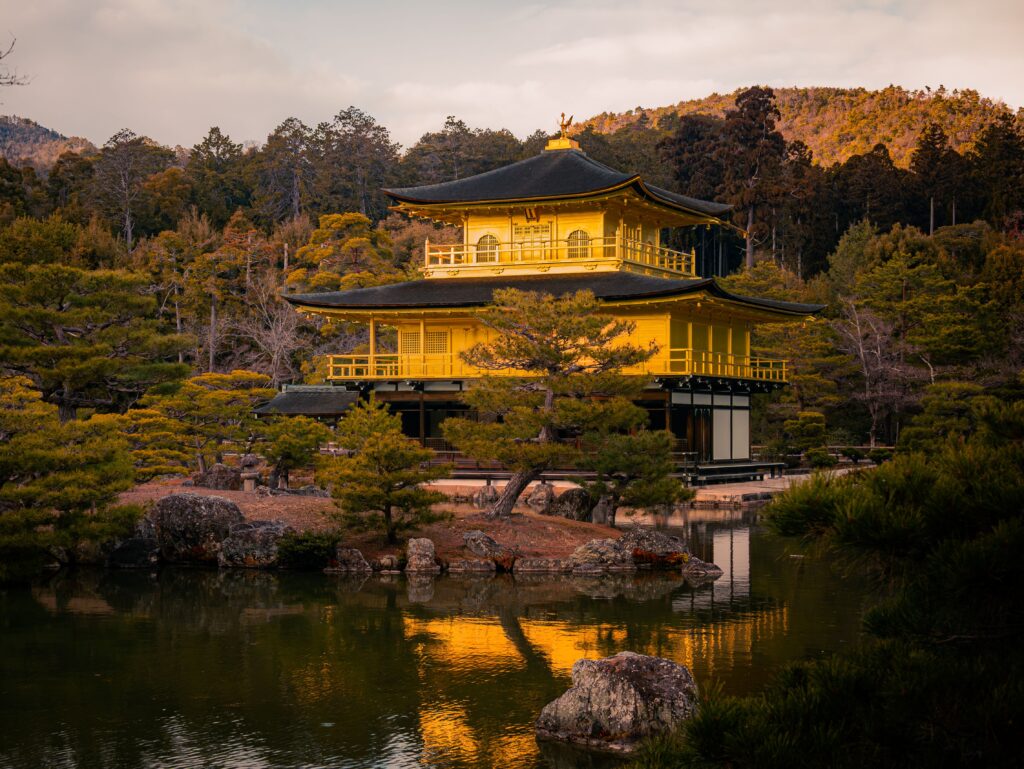
Days 5–6: Kyoto Visit Fushimi Inari Shrine, Kinkaku-ji (Golden Pavilion), Arashiyama Bamboo Grove, and the historic Gion district.
Day 7: Osaka Wrap up your trip with Dotonbori’s street food, Osaka Castle, and last-minute shopping before departure.
Common Mistakes to Avoid
- Traveling during Golden Week without planning – This late-April to early-May holiday period sees massive domestic travel, packed trains, and inflated hotel prices.
- Ignoring train schedules – Japanese trains run precisely on time; missing your window can disrupt tightly planned itineraries.
- Not carrying enough cash – Many small businesses and rural areas don’t accept cards.
- Underestimating walking distances – Sightseeing in Japan often involves several kilometers of walking daily.
- Not learning basic Japanese phrases – Simple words like arigatou (thank you) and sumimasen (excuse me) go a long way in creating positive interactions.
Final Thoughts
Japan offers an extraordinary blend of ancient tradition and futuristic innovation, from serene temples and cherry blossoms to bullet trains and neon-lit cities. By planning around the best season for your interests, understanding visa requirements, budgeting wisely, and respecting local etiquette, you’ll set yourself up for a smooth and memorable journey.
Whether you’re drawn to Tokyo’s energy, Kyoto’s timeless beauty, or Hokkaido’s snowy peaks, Japan rewards curious travelers with unforgettable experiences at every turn. Start planning your itinerary today — your first trip to Japan is bound to be the beginning of a lifelong fascination with this remarkable country.
if you are interested to go for beach destinations here is the perfect place to go: French Polynesia
Follow us for more blogs on: exploresaga.com
Leave a Reply