
Embracing La Dolce Vita
For millennia, the siren call of Italy—Italia—has resonated across the globe. It is a nation that isn’t just a destination; it’s a sensory experience, a vibrant collision of ancient history, world-class art, passionate culture, and arguably the finest cuisine on Earth. When you plan your first trip to Italy, you aren’t merely booking a flight; you are preparing to step into a life where time slows down, where every meal is a celebration, and where “the sweet life”—La Dolce Vita—is an everyday reality.
This is the ultimate, detailed Italy travel guide designed specifically for the discerning traveler. Whether you dream of tracing the footsteps of emperors in Rome, gliding down a Venetian canal, or sipping a glass of Chianti in a sun-drenched Tuscan vineyard, this guide covers every essential detail. We will move beyond the superficial postcard images to give you the practical, region-by-region advice you need to plan your ideal adventure, manage your Italy travel budget, and confidently navigate the beautiful chaos of one of the world’s most beloved countries.
🗺️ Why Italy is the Ultimate Travel Destination
Italy’s allure lies in its stunning contradictions and seamless blend of the ancient and the modern. It is a country where you can spend your morning marveling at Michelangelo’s David in Florence and your afternoon relaxing on a breathtaking beach along the Amalfi Coast. Its cultural wealth is staggering: Italy boasts 58 UNESCO World Heritage Sites, more than any other country on the planet, guaranteeing that history and art are embedded in the very fabric of every town and village.
From a geographic standpoint, Italy offers unparalleled diversity. The dramatic, jagged peaks of the Dolomites in the North contrast sharply with the sun-baked olive groves of Puglia in the South. The bustling metropolitan energy of Milan stands apart from the timeless, romantic quiet of the Italian Lakes. This geographic and historical partitioning means that your journey will never feel monotonous. Every region, from Lombardy to Sicily, possesses its own distinct dialect, culinary traditions, and character, making multi-regional travel a constantly rewarding discovery.
For the first time trip to Italy, planning can feel overwhelming. Should you focus on the “Big Three”—Rome, Florence, and Venice—or should you venture off the beaten path to Cinque Terre or the volcanic landscapes of Campania? This guide cuts through the complexity, offering structured Italy itinerary 7 days recommendations and detailed logistical advice, including the best time to visit and how to manage essential documents. We’ll show you not only the most popular things to do in Rome but also the practicalities of booking tickets, understanding the train system, and avoiding common tourist traps.
Prepare to immerse yourself in La Bella Figura, the Italian concept of making a good impression, and most importantly, living well. Your Italian journey starts here
That’s an excellent choice! We’ll now dive into the crucial logistics to ensure your trip is seamless.
II. Pre-Trip Planning Essentials
Planning your Italian adventure involves more than just picking destinations; it requires timing your visit right, understanding the necessary documentation, and preparing for the unexpected. These foundational details are key to a stress-free and enriching experience.
☀️ Best Time to Visit Italy: A Seasonal Guide
Choosing when to visit can dramatically impact your experience, influencing everything from the size of the crowds to the cost of your accommodation. Italy generally offers four distinct travel seasons:
The Shoulder Seasons (April–May and September–October)
- The Verdict: This is the best time to visit Italy.
- Pros: Mild, pleasant weather perfect for sightseeing and hiking. Fewer crowds than summer. Lower hotel prices and easier restaurant bookings. Vineyards in Tuscany are beautiful during the grape harvest (late September/early October).
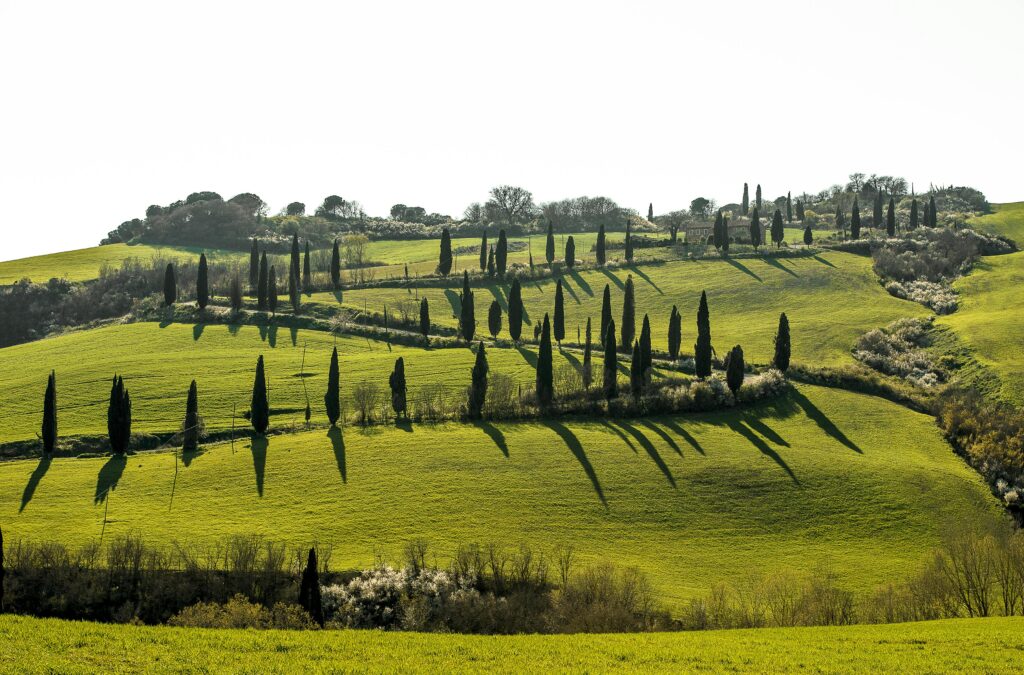
- Cons: Higher chance of rain, especially in the North. Coastal waters may be too cool for swimming in April and October.
Peak Summer (June–August)
- The Verdict: Ideal for coastal trips and beach lovers.
- Pros: Guaranteed sunshine, long daylight hours, and vibrant nightlife, particularly in cities and coastal resorts. Perfect for the Amalfi Coast and Sardinia.
- Cons: Intense heat especially in Rome and the South. Extremely high tourist volume means major attractions are crowded and hotel prices are at their peak. You must book train travel and museums far in advance.
Winter (November–March, Excluding Christmas/New Year’s)
- The Verdict: Best for budget travelers and culture hounds.
- Pros: Significantly lower prices, minimal crowds, and a chance to see major cities like Rome and Florence without the summer crush. Excellent for visiting museums and enjoying winter sports in the Dolomites.
- Cons: Shorter daylight hours, many smaller businesses (especially on the coast) may be closed. Cold and damp weather, particularly in the North.
🛂 Visas, Currency, and Travel Insurance
Before you even begin to map out your Italy itinerary 7 days or longer, confirm you have the necessary documentation:
Visa Requirements (Schengen Zone)
Italy is part of the Schengen Area, a border-free zone encompassing most of mainland Europe.
- US, UK, Canadian, Australian Citizens: You can enter Italy and the entire Schengen Area without a visa for up to 90 days within any 180-day period. Your passport must be valid for at least three months beyond your intended date of departure from the Schengen Area.
- Other Nationalities: Check the official Italian Ministry of Foreign Affairs website well in advance. If a visa is required, the application process can be lengthy.
Currency and Payments
- Currency: The official currency is the Euro (€).
- Cash vs. Card: While major cities, hotels, and tourist attractions widely accept credit cards (Visa and Mastercard), cash is still king, especially in smaller towns (paesi), local markets, and for smaller purchases like coffee and tips. Always carry a small amount of cash for trattorias or paying the coperto (cover charge).
- ATMs: Withdraw cash from bank ATMs (Bancomat) to avoid high fees from third-party ATMs found in airports and tourist centers.
The Non-Negotiable: Travel Insurance
Never overlook the need for robust travel insurance. Italian healthcare is excellent, but for non-EU citizens, it can be costly. A comprehensive policy should cover:
- Medical Emergencies: Including evacuation.
- Trip Cancellation/Interruption: For unexpected issues like flight delays or illness.
- Baggage Loss/Delay: Essential protection for your belongings.
Choosing to secure comprehensive coverage is a small cost compared to the potential expense of a major incident while you are far from home.
I understand you’d like to proceed with the next section. We will now focus on crafting your trip, which is critical for hitting the “Italy itinerary 7 days” keyword.
III. Crafting Your Perfect Italy Itinerary
Planning the sequence of your visit is perhaps the most exciting—and challenging—part of preparing for a first time trip to Italy. The country is vast and requires careful route planning to avoid wasting valuable time on transportation. The key is to utilize Italy’s superb high-speed train network (like Trenitalia’s Frecce lines) to minimize travel time between major hubs.
🚄 Italy Itinerary 7 Days: Making the Most of Your Trip
For most first-time travelers, a week is the perfect amount of time to sample Italy’s essential cultural and historical heartland. It is highly recommended to focus on the ‘Big Three’ cities, utilizing trains for fast transit.
| Day | Destination | Focus/Activity | Key Transport |
| Day 1 | Rome | Arrival, check-in, Pantheon, Piazza Navona, and Trevi Fountain. | Airport shuttle/Train (Leonardo Express) |
| Day 2 | Rome | Ancient Rome: Colosseum, Roman Forum, Palatine Hill. | Metro/Walking |
| Day 3 | Rome/Florence | Morning at the Vatican City (St. Peter’s Basilica, Vatican Museums). Afternoon high-speed train to Florence (approx. 1.5 hours). | High-Speed Train |
| Day 4 | Florence | Renaissance Art: Uffizi Gallery, Accademia (David), Ponte Vecchio. | Walking |
| Day 5 | Florence/Venice | Day trip to Tuscany (Siena or a Chianti vineyard tour). Evening high-speed train to Venice (approx. 2 hours). | Regional Bus/Tour/High-Speed Train |
| Day 6 | Venice | St. Mark’s Square, Doge’s Palace, Rialto Bridge, a gondola ride. | Vaporetto (Water bus)/Walking |
| Day 7 | Departure | Morning walk/souvenirs. Depart from Venice Marco Polo Airport. | Vaporetto/Alilaguna water service |
Pro Tip: This itinerary requires booking train tickets and major museum tickets (things to do in Rome and Florence) at least two months in advance, especially if traveling during the shoulder or peak seasons, to secure the best times and prices.
🗺️ The 14-Day Deep Dive: Expanding Your Horizons
With two weeks, you gain the luxury of slowing down and adding a contrasting region, moving beyond the Big Three. This is where you can start customizing your dream trip based on your interests:
Option A: Southern Charm (History & Coast)
After the Big Three (Days 1–7), take a high-speed train from Florence/Rome to Naples.
- Days 8–10 (Naples & Amalfi Coast): Explore the gritty authenticity of Naples (the birthplace of pizza), visit the archaeological sites of Pompeii and Herculaneum, and spend two days enjoying the breathtaking scenery of Positano, Amalfi, or Ravello.
Option B: Northern Beauty (Lakes & Mountains)
After the Big Three (Days 1–7), fly or take a train to Milan.
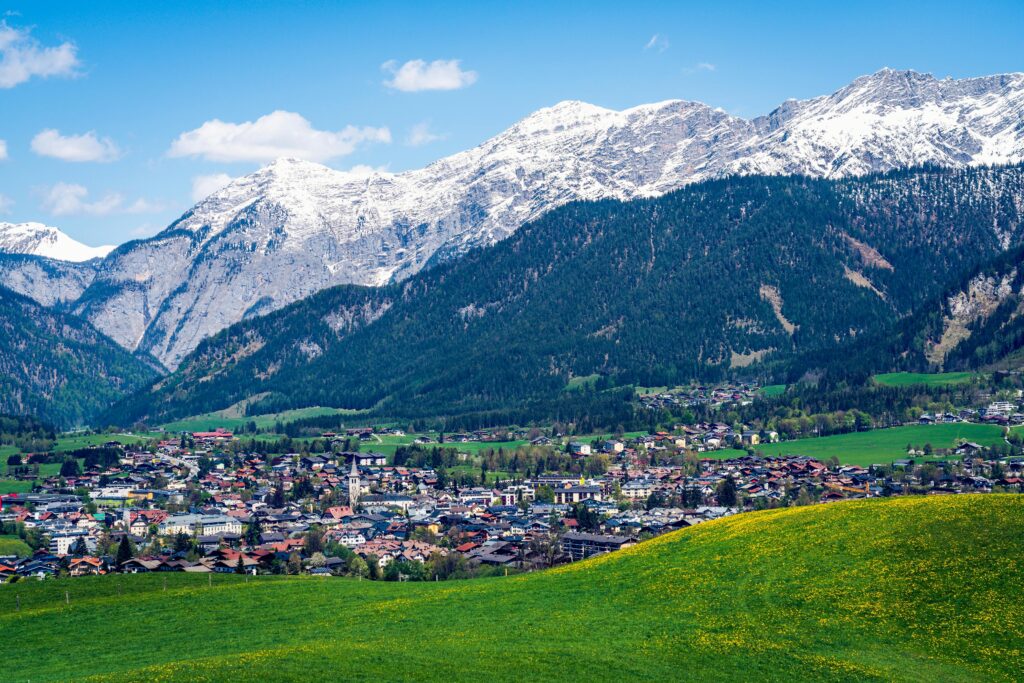
- Days 8–10 (The Lakes District): Use Milan as a base for exploring the stunning tranquility of Lake Como (Bellagio, Varenna) or Lake Garda.
- Days 11–14 (Dolomites): Head further north for hiking, fresh mountain air, and picturesque towns like Cortina d’Ampezzo, a perfect counterpoint to the busy cities.
Option C: Tuscan Immersion (Food & Wine)
Spend four full days based in Florence (Days 1–4).
- Days 5–7 (Tuscany Villa): Rent a car and stay at an agriturismo (a working farm stay). Spend your days taking cooking classes, visiting wineries in the Chianti region, and exploring charming medieval towns like San Gimignano and Montepulciano. Then, continue on to the other major cities.
That’s the core of the traveler’s desire! We will now build out the definitive, high-value section on Italy’s top destinations, focusing on actionable advice and crucial SEO terms like “things to do in Rome.”
IV. Regional Deep Dive: Must-See Destinations
Italy is a federation of fiercely proud regions, each offering a distinct cultural identity, history, and flavor. A successful trip requires understanding these regional nuances.
🏛️ Rome: The Eternal City (Lazio)
Rome is a dizzying, beautiful mess of history, where 2,000-year-old ruins coexist with buzzing Vespas and modern street art. Plan to spend at least three days here to truly absorb its atmosphere.
Crucial Things to Do in Rome (Book Ahead!)
- Ancient Rome (Colosseum, Roman Forum, Palatine Hill): This is the undisputed heart of the ancient empire. Booking skip-the-line tickets is mandatory to avoid hours-long queues. Consider a guided tour that includes access to the Colosseum’s Arena Floor or underground chambers for a truly immersive experience.
- The Vatican City (St. Peter’s Basilica, Vatican Museums, Sistine Chapel): Technically its own sovereign nation, the Vatican is home to some of the world’s greatest art. The Sistine Chapel, with Michelangelo’s incredible ceiling frescoes, is the main draw. Pro Tip: Visit in the early morning or book an evening tour to escape the worst crowds. St. Peter’s Basilica is generally free, but expect tight security.
- The Centro Storico (Historic Center): Spend an afternoon wandering this dense, beautiful district. Key sites include:
- The Pantheon: A marvel of Roman engineering, with its massive, open oculus dome.
- Trevi Fountain: The largest Baroque fountain in Rome; toss a coin over your shoulder to ensure your return!
- Piazza Navona: Famous for Bernini’s Fountain of Four Rivers.
- Hidden Gem: Explore the bohemian, picturesque neighborhood of Trastevere for authentic trattorias and vibrant nightlife away from the main tourist hubs.
🎨 Florence: The Cradle of the Renaissance (Tuscany)
Florence is a city defined by art, culture, and the revolutionary spirit of the Renaissance, all nestled within a compact, walkable center. It serves as the perfect base for exploring the iconic Tuscan countryside.
Must-See Masterpieces & Experiences
- The Duomo (Cattedrale di Santa Maria del Fiore): The city’s iconic symbol. You can climb Brunelleschi’s magnificent dome or Giotto’s Bell Tower for unparalleled views of the Tuscan capital. Book the Duomo climb months ahead.
- Galleria dell’Accademia: Home to Michelangelo’s flawless, towering statue of David. Seeing the real sculpture is a powerful, unforgettable moment.
- Uffizi Gallery: One of the world’s most important art museums, featuring masterpieces like Botticelli’s The Birth of Venus and La Primavera.
- Ponte Vecchio: Florence’s oldest bridge, famous for the shops built along it—originally butchers, now primarily jewelers.
- Tuscan Day Trip: Florence’s real secret is its proximity to Tuscany. Dedicate a day to a wine tour in the Chianti Classico region, or visit the perfectly preserved medieval hill towns of Siena and San Gimignano.
🛶 Venice: The Floating City (Veneto)
Venice is a singular destination; a car-free labyrinth of canals, bridges, and hidden squares (campi). Its romance is only matched by its unique, sinking geology.
Essential Venetian Sights
- Piazza San Marco: The central square, home to St. Mark’s Basilica (famous for its Byzantine mosaics) and the Campanile (the bell tower offering city views).
- Doge’s Palace (Palazzo Ducale): The former seat of the Venetian government. Take the tour that crosses the Bridge of Sighs—the last view of Venice prisoners would have before incarceration.
- Gondola Ride: While touristy, it remains a quintessential Venetian experience. For a more authentic, and cheaper, water trip, utilize the Vaporetto (public water bus) along the Grand Canal.
- Island Excursions: Take a Vaporetto to the nearby islands of Murano (famous for glass blowing) and Burano (known for its brightly colored houses and lacemaking).
- Hidden Gem: Get lost! Avoid following the crowds and instead, wander into the smaller calli (alleys) and campi to find local bàcari (Venetian wine bars).
☀️ Southern Charm: Naples and the Amalfi Coast (Campania)
Venture south for an experience where the history is as rich as the food, and the coastline is impossibly dramatic.
- Naples: Gritty, chaotic, and authentic. Must-do: Eat an authentic Neapolitan pizza—the best in the world. It’s the gateway to the South and the launch point for the best historical sites.
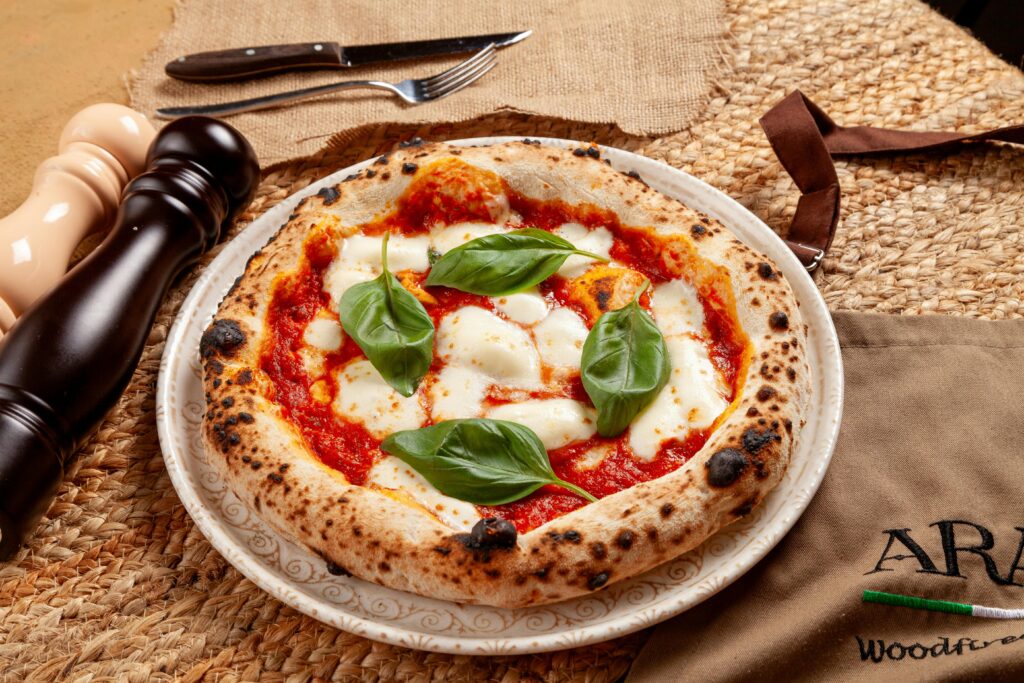
Neapolitan pizza
- Pompeii and Mount Vesuvius: The preserved ruins of Pompeii (and lesser-known Herculaneum) offer a haunting glimpse into daily Roman life, frozen by the eruption of Vesuvius in $79$ AD. Hire a guide for maximum historical context.
- The Amalfi Coast: Positano, Amalfi, and Ravello offer steep, dramatic cliffsides cascading down to the sea. Base yourself here for stunning views, boat excursions, and hiking the scenic Path of the Gods (Sentiero degli Dei).
We are now moving into the practical, high-value section on money and movement, crucial for travelers managing their Italy travel budget and needing tips on navigating Italy.
V. Budgeting and Logistics
A successful trip is as much about managing your expectations as managing your wallet. Italy offers experiences for every budget, but smart planning is essential to avoid unnecessary expenses and logistical headaches.
💰 Italy Travel Budget: Daily Costs Breakdown
The cost of travel in Italy varies significantly depending on your travel style and the regions you visit (the North is generally more expensive than the South). Here is a general breakdown of daily costs per person, excluding international flights:
| Category | Budget Traveler (€) | Mid-Range Traveler (€) | Luxury Traveler (€) |
| Accommodation | 30–60 (Hostel/Budget B&B) | 80–150 (3-Star Hotel/AirBnB) | 200+ (4/5-Star Hotel) |
| Food & Drink | 30–50 (Picnics, street food, trattorias) | 60–100 (Sit-down dinner, lunch) | 120+ (Fine dining, wine pairings) |
| Attractions | 10–20 (Free sites, one paid museum) | 30–50 (2-3 paid museums, basic tours) | 60+ (Private tours, exclusive access) |
| Transportation | 5–15 (Local transit, walking) | 10–30 (City metro, high-speed train tickets) | 40+ (Taxis, private transfers) |
| Daily Total | ~75–145 | ~180–330 | ~420+ |
Budget-Saving Tips:
- Avoid Tourist Traps: Restaurants directly adjacent to major sights (like the Pantheon or Piazza San Marco) charge premium prices. Walk a few streets away for better quality and value.
- The Aperitivo Hack: In the North (Milan, Florence), many bars offer an aperitivo buffet—for the cost of a drink ($8–15), you get access to a generous spread of snacks and small dishes, which can easily substitute for dinner.
🛤️ Navigating Italy: Transportation Guide
Understanding Italy’s transport infrastructure is key to efficiently linking your destinations.
Trains: Your Best Friend for Inter-City Travel
- High-Speed Trains (Frecce lines): Run by Trenitalia and Italo, these are the fastest and most efficient way to connect major cities (Rome, Florence, Venice, Milan, Naples). They are almost always on time and highly comfortable. Book these tickets online in advance for the best prices. Last-minute tickets can be prohibitively expensive.
- Regional Trains: Slower, older, and connect smaller towns. Tickets are cheaper and often don’t require advance booking (though it is advised during peak season). Remember to validate your regional train ticket at the green or yellow machines on the platform before boarding, or you risk a hefty fine!
Driving: When to Rent a Car
- Do Not Drive in Cities: Italian cities have strict ZTLs (Limited Traffic Zones), which are restricted to residents. Driving into a ZTL without a permit results in automatic, costly fines via camera. Use trains or taxis instead.
- Rent for the Countryside: A car is essential and highly recommended for exploring scenic areas like Tuscany, Puglia, or the Dolomites, where public transport is sparse.
City Transit
- Metro and Bus: Major cities like Rome, Milan, and Naples have excellent metro systems. Purchase tickets at stations, newsstands (tabacchi), or vending machines. A single ticket usually covers a 75–100 minute journey.
- Vaporetto (Venice): Venice relies on its water bus system. Consider a 1-day, 3-day, or 7-day pass, as single tickets are very expensive.
The food section is essential for any Italy guide! This will be a high-interest, high-value section focusing on authentic experiences and crucial etiquette.
VI. The Culinary Journey: Eating in Italy
Italian cuisine is perhaps the most globally beloved, yet experiencing it authentically in Italy requires some key knowledge. Forget large portions of meat and sides; Italian dining is focused on courses, fresh, seasonal ingredients, and strict adherence to regional tradition.
🍽️ A Guide to Italian Food Etiquette
Dining in Italy is a ritual centered around community and pleasure. Embrace these simple rules to eat like a local:
- The Coperto (Cover Charge): Most restaurants charge a small cover fee (typically €2–€4 per person). This is not a service charge and often covers the bread, oil, and linens. It is mandatory and non-negotiable.
- Tipping: Unlike in the US, tipping is not mandatory or expected at the high percentages common elsewhere. If the service was exceptional, leaving a few extra euros (€5–€10) is a kind gesture, but not a necessity.
- Coffee Rules: Italians have strict rules about coffee. Cappuccinos and lattes are breakfast drinks only—ordering one after 11 AM will immediately mark you as a tourist. After lunch or dinner, order an espresso (a caffè).

espresso
- No Parmesan on Fish: Never ask for Parmesan cheese on a pasta dish containing seafood (or on pizza). It’s considered an insult to the delicate flavor of the fish.
- The Course Structure: Meals are designed to be enjoyed slowly: Antipasti (starters), Primo (pasta or soup), Secondo (meat or fish), and Dolce (dessert). Ordering just a primo and a glass of wine is perfectly acceptable for a light lunch.
🍕 Regional Dish Highlights
Remember that Italian food is regional, meaning the local specialties change drastically every few hundred kilometers.
- Lazio (Rome): The true capital of pasta classics: Cacio e Pepe (cheese and pepper), Carbonara (egg, cheese, cured pork), and Amatriciana.
- Campania (Naples): The birthplace of modern pizza. Must-try: Pizza Margherita, featuring only tomato, mozzarella, basil, and olive oil.
- Tuscany (Florence): Known for its hearty, simple food. Try Bistecca alla Fiorentina (Florentine steak, served rare) and the local bread.
- Veneto (Venice): Focuses on seafood, risotto, and polenta, reflecting its lagoon location.
Excellent. Here is the final section, ensuring the guide is complete and ends with a strong call to action.
VII. Cultural Etiquette & Safety Tips
Navigating a new culture smoothly involves showing respect for local customs. Following a few simple guidelines will enhance your experience and help you blend in.
🙏 Respecting Sacred Spaces
When visiting churches, cathedrals, and especially the Vatican, adhere to the dress code. Shoulders and knees must be covered for both men and women. Keep a light scarf or shawl in your day bag, especially during warmer months, to cover up before entering. Keep voices low and refrain from eating or drinking inside.
💼 Safety and Practical Tips
- Taxis: Use official, licensed taxis found at designated ranks (outside train stations or piazzas) or use reputable ride-sharing apps, rather than unlicensed drivers.
- Pickpocketing: Like all major tourist hubs, vigilance is needed, particularly on crowded public transport and at famous sites like the Colosseum or Duomo. Keep valuables secured and out of sight.
- The Afternoon Break (Pausa): Many smaller shops, businesses, and post offices close for several hours in the early afternoon (typically 1:00 PM to 4:00 PM). Plan your errands and shopping around this traditional break.
VIII. Conclusion: Your Italian Adventure Awaits!
The planning is complete, the logistics are sorted, and the regional specialties are awaiting your arrival. Italy is not just a place to see; it’s a feeling to experience. Use this Italy travel guide as your foundation, but allow room for spontaneity, getting lost, and embracing the unexpected joy of La Dolce Vita.
What are you waiting for? Book those tickets, perfect your itinerary, and prepare for the journey of a lifetime
Read this article for Ezypt : Mount Sinai, Egypt: History, Location, Sacred Significance & Facts
Read this article for Disney castaway: Ultimate Guide to Disney’s Castaway Cay (2025)
Follow for more blogs: http://exploresaga
Dive into the Deep: Exploring the World’s Most Breathtaking Scuba Diving Destinations