
The Giza Pyramids are among the most iconic landmarks in the world and one of the greatest architectural achievements in human history. Located on the Giza Plateau near Cairo, Egypt, these ancient structures attract millions of visitors every year. This guide will help you understand their history and plan a practical, memorable visit.
Overview of the Giza Pyramids
The Giza Pyramid Complex consists of three main pyramids — the Great Pyramid of Khufu, the Pyramid of Khafre, and the Pyramid of Menkaure — along with several smaller pyramids, temples, and the famous Great Sphinx.
Built over 4,500 years ago during Egypt’s Old Kingdom period, these monuments were constructed as royal tombs. Despite centuries of research, their precise construction methods remain one of history’s greatest mysteries.
Why the Giza Pyramids Are So Special
What makes the Giza Pyramids extraordinary is not just their age, but their engineering precision. The Great Pyramid of Khufu was once the tallest man-made structure in the world and held that title for over 3,800 years.
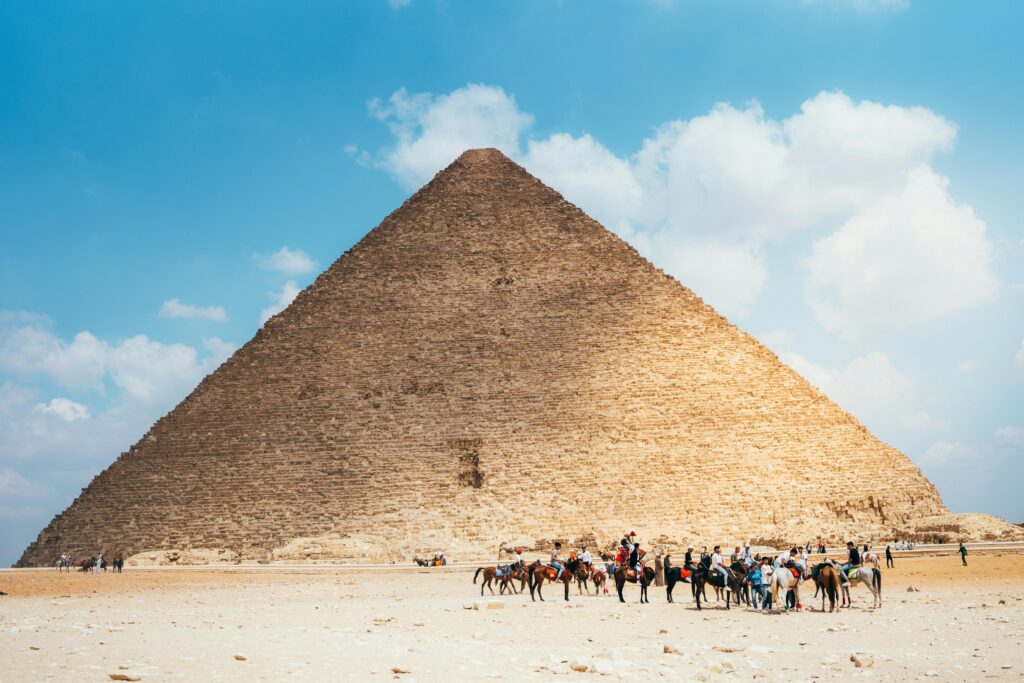
Key highlights include:
- Near-perfect alignment with the cardinal directions
- Massive limestone blocks weighing several tons each
- Complex internal chambers and passageways
- The enduring mystery surrounding their construction techniques
These features continue to fascinate historians, architects, and travelers alike.
Best Time to Visit the Giza Pyramids
The best time to visit is during the cooler months, from October to April. Temperatures are more comfortable, making it easier to explore the plateau.
Best visiting hours:
- Early morning (8:00–10:00 AM) to avoid crowds
- Late afternoon for softer lighting and photography
Avoid midday visits during summer months, as temperatures can exceed 40°C (104°F).
Entry Fees & Ticket Information
Ticket prices may change, but approximate costs include:
- General entry to Giza Plateau: 200 EGP
- Entry inside the Great Pyramid: 600 EGP
- Entry inside Khafre or Menkaure Pyramid: 150 EGP
Tickets are purchased at official ticket counters near the entrance. Keep your ticket with you at all times.
How to Get There
The Giza Pyramids are located about 13 km (8 miles) southwest of central Cairo.
Transportation options:
- Taxi or ride-hailing apps (Uber/Careem)
- Organized tour groups
- Public transport combined with short taxi ride
For first-time visitors, a guided tour can be helpful for understanding the historical context.
Visiting the Great Sphinx
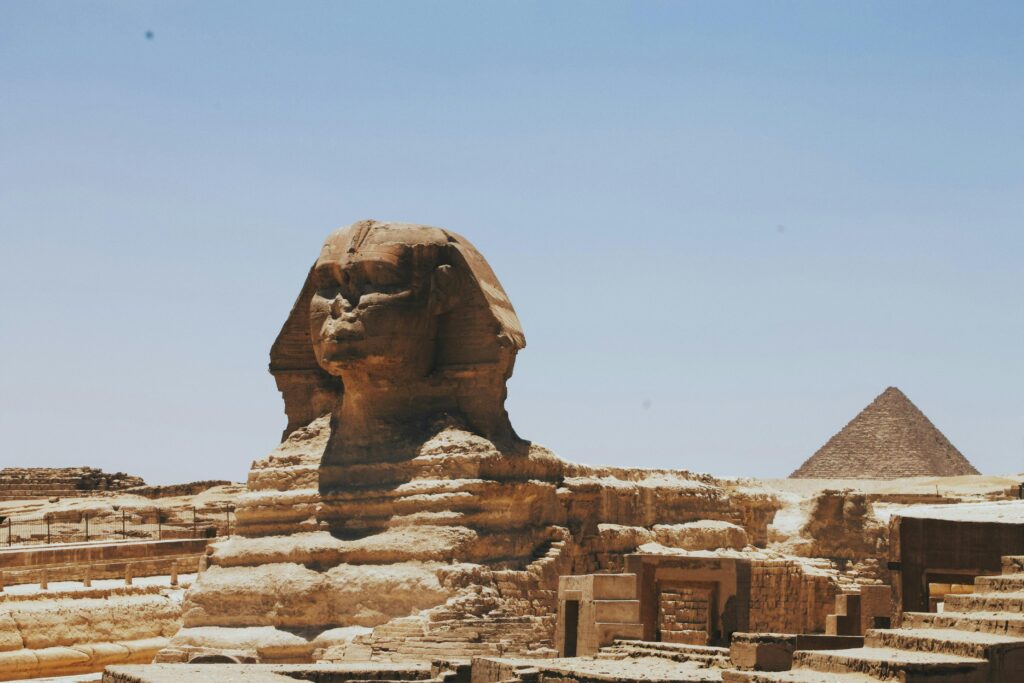
The Great Sphinx of Giza sits near the Pyramid of Khafre and is believed to represent Pharaoh Khafre. With the body of a lion and the head of a human, it symbolizes strength and wisdom.
The Sphinx is included in the general Giza Plateau ticket and is a must-see during your visit.
Practical Travel Tips for Visitors
- Wear comfortable walking shoes
- Carry water and sun protection
- Avoid unofficial guides offering services aggressively
- Photography is allowed, but cameras may require extra fees inside pyramids
- Respect local customs and dress modestly
Is Visiting the Inside of the Pyramids Worth It?
Entering the pyramids offers a unique experience but involves steep, narrow passages and limited ventilation. If you are claustrophobic or have mobility issues, you may prefer exploring the exterior instead.
FAQs About the Giza Pyramids
Are the Giza Pyramids safe to visit?
Yes, the area is heavily monitored and safe for tourists.
How much time should I spend at Giza?
Plan for 2–4 hours to explore comfortably.
Can I visit without a guide?
Yes, but a guide enhances the experience with historical explanations.
Final Thoughts
The Giza Pyramids are more than just ancient monuments — they are a testament to human ingenuity and ambition. Whether you’re a history enthusiast or a casual traveler, visiting this site is a once-in-a-lifetime experience.
With proper planning and the right timing, your visit to the Giza Pyramids can be both educational and unforgettable.
Explore more world landmarks and travel guides on Exploresaga
If you are interested in Pilgrimages read this Top 10 Pilgrimage Sites Around the World: Discover Your Journey
Read this for Travel photography Tips Top 10 Travel Photography Tips: Master Lighting, Editing


Leave a Reply