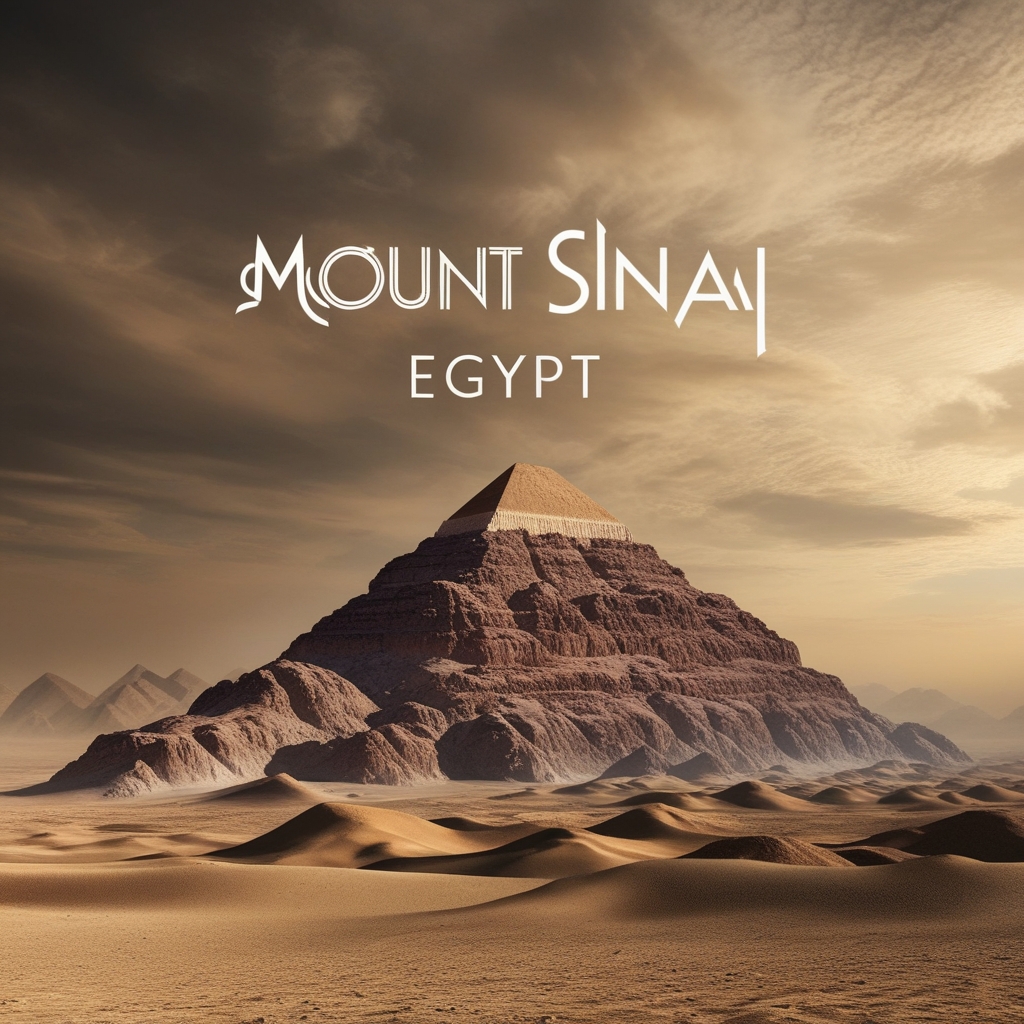
1. Where Is Mount Sinai?
Mount Sinai—also known as Jabal Musa (“Mountain of Moses”), Har Sinai, or Mount Horeb—stands at approximately 2,285 meters (7,497 feet) above sea level in the south-central part of Egypt’s Sinai Peninsula, within the South Sinai Governorate .While higher peaks such as Mount Catherine (2,629 m) surround it, Mount Sinai is deeply rooted in religious tradition as the legendary site where Moses received divine revelation .
2. When & How Was It “Built”?
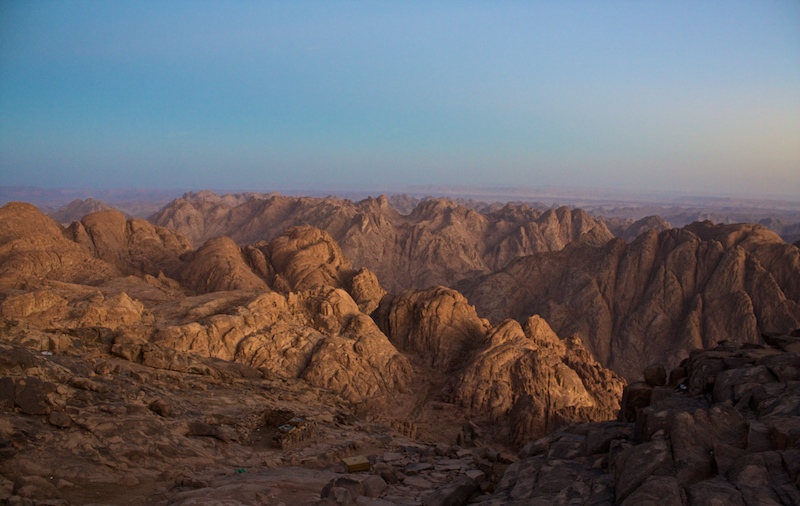
Mount Sinai is a natural geological formation, not constructed by humans. Its unique composition—an alkaline granitic ring complex intruded into various volcanic rock types—was sculpted over millions of years as part of the Arabian–Nubian Shield. The mountain’s dramatic shape, rugged textures, and crystalline granites reflect intense geological forces and long geological history.
That said, humans have built structures around and on Mount Sinai over the centuries:
- Saint Catherine’s Monastery, at the mountain’s northern base, was commissioned by Byzantine Emperor Justinian I and constructed circa 527–565 CE, enclosing the “Burning Bush” chapel originally erected by Empress Helena around 330 CE
- At the summit, a small Greek Orthodox chapel (Chapel of the Holy Trinity) and a mosque coexist, symbolizing interfaith reverence: the chapel built in 1934 atop earlier Byzantine ruins, and the summit mosque dating back to the Fatimid period (909–1171 CE)
- Pilgrimage paths were crafted by monks and pilgrims: the 3,750 “Steps of Penitence” (Siket Sayidna Musa) carved into the rock (Middle Ages) and a more gradual Camel Path (Siket al‑Bashait) developed by the 19th century
3. Facts About Mount Sinai
Geological
- A natural ring complex primarily composed of alkali feldspar granite and volcanic materials, representing deep crustal processes .
- Part of the ancient Arabian–Nubian Shield, showcasing a window into Earth’s early crustal evolution
Historical & Cultural
- Recognized as a religious landmark in Jewish, Christian, and Islamic traditions—believed to be where the Hebrew prophet Moses received the Ten Commandments
- Early identification of Jabal Musa with the biblical Mount Sinai dates to before 100 CE among Jewish pilgrims; Christian hermits and pilgrims reinforced this connection by the 2nd–3rd centuries BCE and onward
- In the Byzantine era (6th century CE), the monastery was established, cementing the site’s religious importance
Religious Significance
- Judaism & Christianity: A site of divine lawgiving, pilgrimage, hermitage, and monastic life
- Islam: Identified as Ṭūr Saināʾ in the Qur’an; the surrounding valleys like Wād Ṭuwā are considered sacred; summit includes a mosque intended for Muslim pilgrims
Biodiversity & Protection
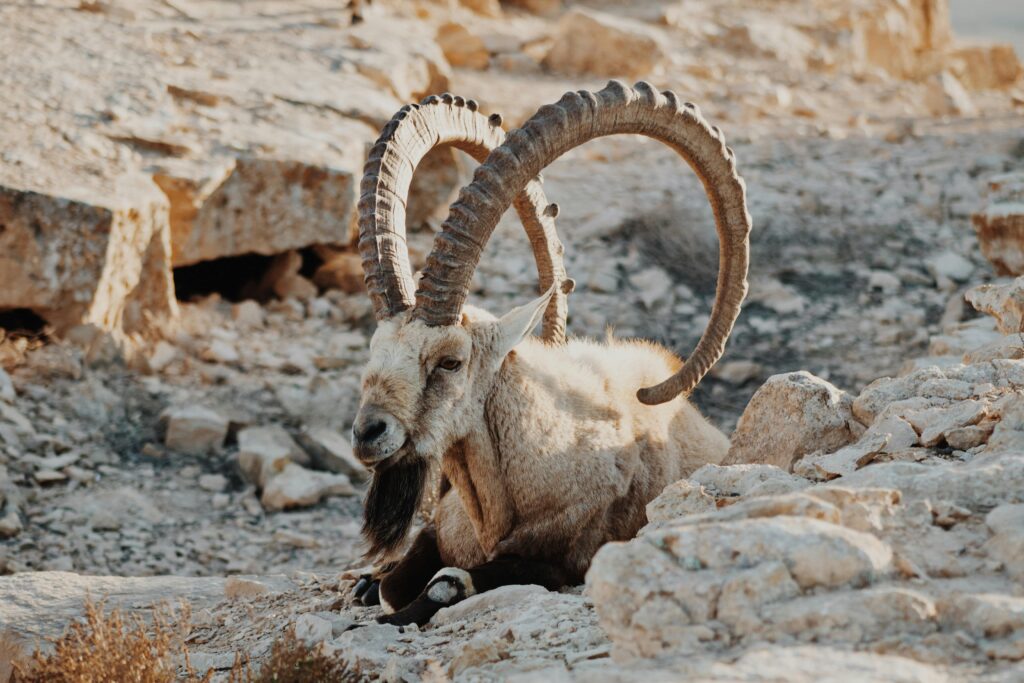
- The area is part of the St. Catherine Protectorate, a roughly 1,660 sq mi reserve established in the 1990s to preserve its unique ecological and cultural heritage Home to 500+ plant species (including many endemics), animals like ibex, hyenas, wildcats, and the tiny Sinai baton blue butterfly, plus migratory birds Sacred Land.
- Managed tourism and trail regulations respect both the spiritual and natural value of the region Sacred Land.
Monastery Treasures
- Saint Catherine’s Monastery houses one of the world’s oldest libraries and repositories of early Christian manuscripts and icons—some of the oldest relics and the famed Codex Sinaiticus
- Survived untouched through invasions, uprisings, and changing administrations, including Israeli control (1967–1979), before being returned to Egypt
4. Why Mount Sinai Is Sacred
Divine Revelation
Believed across three faiths to be the place where Moses encountered God and received the Ten Commandments—an event foundational to Judaism, Christianity, and Islam
Continued Worship & Pilgrimage
- The monastery, summit chapel, and the mosque enable multifaith worship to this day
- Pilgrims traverse the historic steps and paths, retracing the spiritual journey of ancestors and seeking personal reflection and connection
Center of Interfaith Symbolism
Mount Sinai stands as a living monument where the three Abrahamic religions intersect. The protection of the monastery’s religious and legal status—even amidst modern judicial disputes—highlights its ongoing symbolic unity
5. What Is Mount Sinai Known For?
- Moses and the Ten Commandments: Perhaps the most iconic—this narrative cements Mount Sinai as a cornerstone of faith.
- Saint Catherine’s Monastery: The oldest continuously inhabited Christian monastery, with extraordinary manuscripts and icons
- Pilgrimage Routes: The dramatic Steps of Penitence and the tranquil Camel Path are both legendary tracks of devotion
- Ecological Diversity: As a protected natural reserve, the region balances pilgrimage with preserving rare biodiversity Sacred Land.
- Interfaith Harmony: A rare physical embodiment where multi-religious reverence converges, both historically and contemporarily.
6. Climbing Mount Sinai: Experience & Trails
Routes
- Steps of Penitence (Siket Sayidna Musa): 3,750 carved stone steps—steep, strenuous, historically a monk’s path of penitence
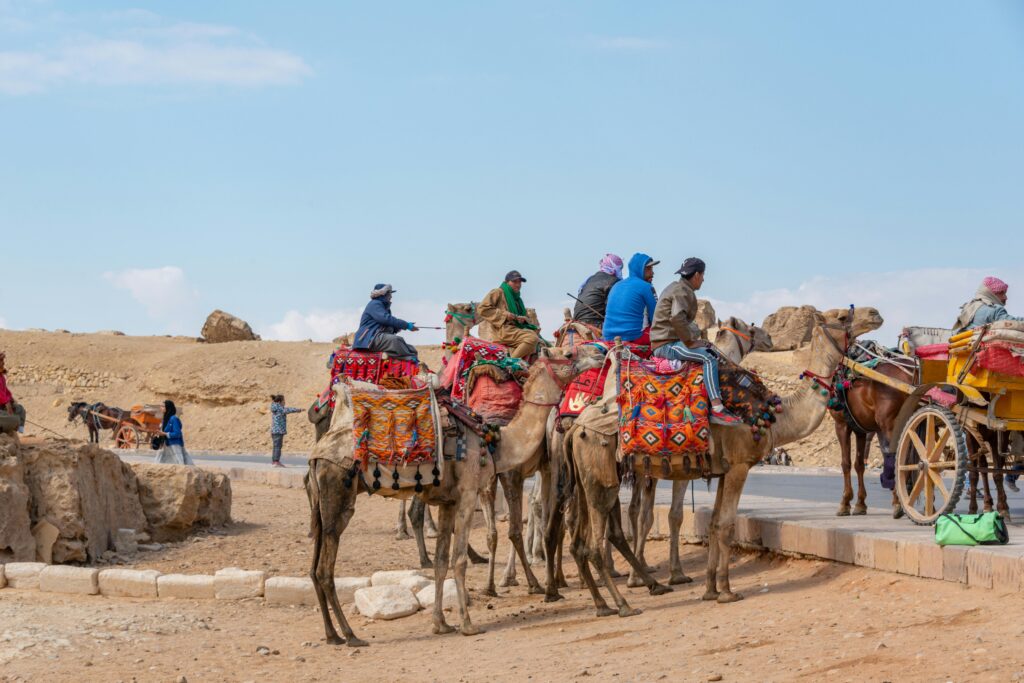
- Camel Path (Siket al‑Bashait): Longer but easier grade, used by camels; merges with the steep steps near the summit
Summit Landmarks
- Chapel of the Holy Trinity: Built in 1934 on Byzantine foundations; encloses the rock tied to the Tablets of the Law
- Mosque: Small summit mosque constructed for Muslim pilgrims since the Fatimid period
- Cave of Moses: A site below the chapel where Moses is thought to have sheltered from God’s glory
- Elijah’s Basin: A resting point about 750 steps below, linked to the Prophet Elijah’s biblical sojourn
7. Biblical and Historical Context: Why Mount Sinai Matters
What Happened at Mount Sinai According to the Bible?
Mount Sinai holds a central place in the Hebrew Bible (Old Testament). It is the mountain where God made a covenant with the Israelites after liberating them from Egyptian slavery. The most well-known event is Moses receiving the Ten Commandments, known as the Decalogue, inscribed on two tablets of stone by the hand of God.
Here is a chronological breakdown of the biblical events that occurred at or around Mount Sinai, according to the Book of Exodus:
- Arrival at Sinai (Exodus 19): The Israelites arrive at the mountain three months after leaving Egypt.
- God’s Theophany (Exodus 19:16–25): Mount Sinai trembles with thunder, lightning, smoke, and trumpet blasts—God’s presence descends.
- Mosaic Ascents: Moses climbs the mountain multiple times to communicate with God, receiving laws and instructions.
- Ten Commandments Given (Exodus 20): God delivers His commandments directly to Moses.
- Golden Calf Incident (Exodus 32): While Moses is on the mountain for 40 days and nights, the Israelites worship a golden calf, breaking the covenant.
- Renewed Covenant (Exodus 34): God renews the covenant after Moses intercedes; Moses carves new tablets.
Why It’s More Than Just a Mountain
- Theophany: The mountain is a place where God manifests physically—in fire, cloud, and sound. That makes it one of the most powerful theophanies (appearances of God) in the Abrahamic traditions.
- Covenant Theology: Sinai is where the Old Covenant is made between Yahweh and His people. This shapes Jewish law (Torah), morality, and theocratic identity.
- Christian Relevance: Christians see Sinai as foreshadowing Christ, and Paul refers to Mount Sinai in Arabia in Galatians 4:25—raising questions about geography and interpretation.
8. Alternative Locations: Is Mount Sinai in Egypt the “Real” Sinai?
Despite its popularity and religious reverence, the exact historical location of Mount Sinai remains debated. The site we call “Mount Sinai” today—Jabal Musa in Egypt—is one of several candidates. Scholars, explorers, and archaeologists have proposed other possibilities, based on historical, topographical, and biblical analysis.
1. Mount Serbal (Egypt)
- Located near Wadi Feiran.
- Early Christian monks considered it the true Mount Sinai.
- Contains ancient inscriptions, ruins of monastic cells, and a plausible route from the Red Sea.
2. Jebel al-Lawz (Saudi Arabia)
- Popular among some evangelical researchers and fringe theorists.
- They argue the Bible places Sinai “in Arabia” (Galatians 4:25).
- The area contains scorched rocks, altars, and stone circles.
- Not supported by mainstream archaeology but promoted in books and documentaries.
3. Har Karkom (Negev Desert, Israel)
- Discovered by Prof. Emmanuel Anati.
- Contains petroglyphs, altars, and cultic remains dating to the Bronze Age.
- May have been a cultic center, though the timeline is off from the Exodus narrative.
4. Jabal al-Madhbah (Petra, Jordan)
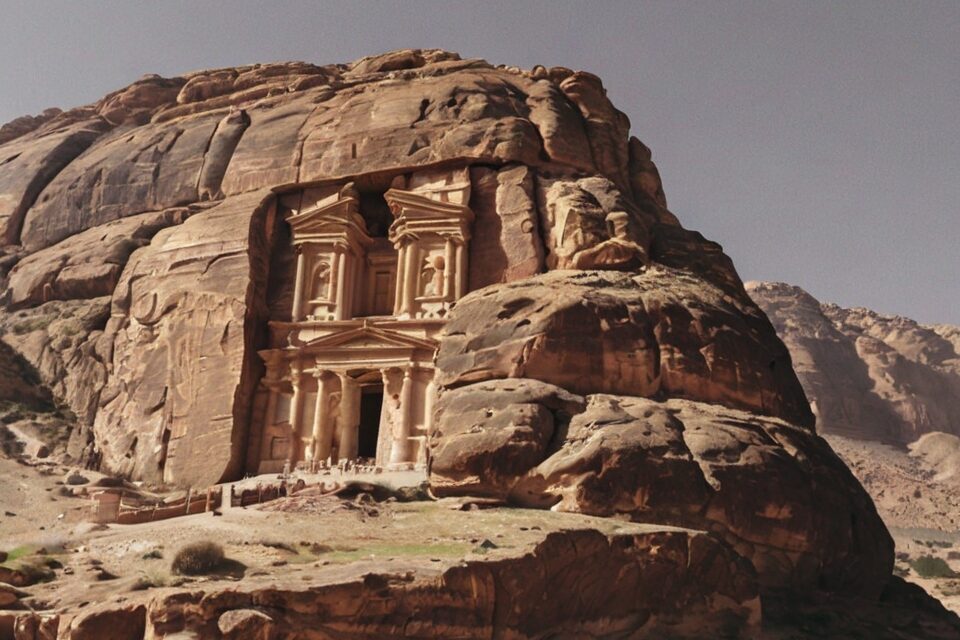
- The word “Sinai” may derive from “Sin,” the moon god—suggesting Nabataean or Arabian links.
- Petra’s sacred high places and stone altars may align with biblical descriptions.
Conclusion on Location Debate
Despite alternate claims, Jabal Musa remains the traditional and most widely venerated site, especially due to its long history of Christian and Islamic recognition and the establishment of the monastery at its base. However, the true historical Mount Sinai remains unconfirmed—its identification is based as much on faith and tradition as on archaeology.
9. Mount Sinai Today: Tourism, Pilgrimage, and Politics
A Pilgrim’s Journey in Modern Times
Thousands of pilgrims, hikers, and tourists climb Mount Sinai each year, especially for the sunrise experience, which is almost spiritual in its own right. Many tours begin around 1–2 AM, with climbers making their way to the summit by foot or camel in time to catch the sun rising over the desert mountains.
Popular Attractions Include:
- Saint Catherine’s Monastery (a UNESCO World Heritage Site)
- Burning Bush Chapel inside the monastery
- Summit Chapel and Mosque
- Viewpoints for Sunrise/Sunset
- Elijah’s Basin and the Cave of Moses
The climb, whether via the Steps of Repentance or the Camel Path, is physically demanding but spiritually rewarding. The summit silence, the thin desert air, and the sense of ancient reverence echo throughout the experience.
Saint Catherine’s Monastery: A Jewel of Mount Sinai
- Founded in the 6th century by Emperor Justinian I.
- Named after Saint Catherine of Alexandria, whose body was allegedly discovered at the summit.
- Home to iconic Christian manuscripts, including early Biblical texts, Syriac and Greek documents.
- Houses the second-largest collection of codices after the Vatican.
- The monastery’s monks are of the Eastern Orthodox Church, but the site is revered by Muslims and Christians alike.
It remains one of the few monasteries that has never been destroyed, even during wars or conquests. The Prophet Muhammad is said to have granted the monastery protection in a signed decree known as the “Ashtiname of Muhammad.”
Political and Conservation Issues
In 2025, a court ruling challenged the traditional guardianship rights of the Greek Orthodox Church over parts of the Mount Sinai monastery, prompting intervention from Egyptian and Greek governments to preserve the monastery’s unique status (Reuters).
Mount Sinai is also part of the St. Catherine Protectorate, Egypt’s largest nature reserve. But rising tourism pressures, trail erosion, and climate changes have led to increased efforts at sustainable tourism and ecological protection.
10. Mount Sinai in Interfaith Dialogue
In today’s world of conflict and division, Mount Sinai is a symbol of shared heritage and unity across Judaism, Christianity, and Islam:
- Jews view it as the site of divine lawgiving.
- Christians revere it as part of the story of salvation and as a symbol of moral law.
- Muslims respect it as Ṭūr Saināʾ and link it to Surah 95 of the Qur’an (“By the Fig and the Olive and Mount Sinai…”).
It’s one of the few places on Earth where three of the world’s major religions converge peacefully on a single sacred site.
Final Thoughts: The Enduring Mystery and Majesty of Mount Sinai
Mount Sinai is more than a destination—it’s a sacred symbol, a cultural monument, a natural wonder, and a spiritual summit. Whether you’re a believer retracing Moses’s footsteps or a hiker drawn by sunrise over the desert peaks, the experience is both humbling and unforgettable.
Despite centuries of theological debate, alternative locations, and modern challenges, the Mount Sinai of Egypt continues to inspire reverence and awe. It stands as a silent witness to millennia of faith, conflict, prayer, and peace.
get more details: Mount Sinai | Map, Location, Height, & Facts | Britannica
Read this: Ultimate Guide to Disney’s Castaway Cay (2025)
certainly like your website but you need to take a look at the spelling on quite a few of your posts Many of them are rife with spelling problems and I find it very troublesome to inform the reality nevertheless I will definitely come back again
I truly love your blog.. Pleasant colors & theme. Did you build this amazing site yourself? Please reply back as I’m hoping to create my very own blog and want to learn where you got this from or just what the theme is named. Many thanks!
Thank you for the auspicious writeup It in fact was a amusement account it Look advanced to far added agreeable from you However how can we communicate
I reckon something truly special in this site.
Trang web b52.cc cực kỳ ổn định, không bao giờ lag dù chơi game vào giờ cao điểm. Giao diện thân thiện với người mới! b52.cc
Great write-up, I¦m normal visitor of one¦s web site, maintain up the nice operate, and It is going to be a regular visitor for a long time.
ремонт проточных водонагревателей [url=https://fix-boiler-moskva.ru]https://fix-boiler-moskva.ru/[/url]
[url=][/url]
токарка чпу по металлу [url=http://gdestanok.ru/]https://gdestanok.ru/[/url]
Hey, I just stumbled onto your site… are you always this good at catching attention, or did you make it just for me? Write to me on this website — rb.gy/3pma6x?Princ — my username is the same, I’ll be waiting.
износ грм
[url=https://avto100k.ru/]https://avto100k.ru/[/url]
helloI really like your writing so a lot share we keep up a correspondence extra approximately your post on AOL I need an expert in this house to unravel my problem May be that is you Taking a look ahead to see you
ремонт бойлеров и водонагревателей [url=http://www.moskva-boyler-remont.ru/]ремонт электронагревателей[/url]
ремонт принтеров hp москва адреса в зао [url=http://www.hp-servis-msk.ru]ремонт мфу hp в москве адреса свао[/url]
Hi to every body, it’s my first pay a quick visit of this website;
this blog includes awesome and in fact good data for readers.
ремонт принтеров hp москва сао [url=servis-hp-moskva.ru]https://servis-hp-moskva.ru/[/url]
Hey, I just stumbled onto your site… are you always this good at catching attention, or did you make it just for me? Write to me on this website — https://rb.gy/ydlgvk?Lywoche — my username is the same, I’ll be waiting.
Hello guys!
I came across a 143 awesome page that I think you should check out.
This resource is packed with a lot of useful information that you might find insightful.
It has everything you could possibly need, so be sure to give it a visit!
[url=https://www.binews.it/uncategorized/four-things-you-have-to-do-when-youre-in-the-middle-of-a-hot-streak-and-five-things-you-have-to-stop-doing-to-bet-with-substance/]https://www.binews.it/uncategorized/four-things-you-have-to-do-when-youre-in-the-middle-of-a-hot-streak-and-five-things-you-have-to-stop-doing-to-bet-with-substance/[/url]
And remember not to forget, everyone, — one always can within this particular article discover solutions to address the the absolute confusing queries. We made an effort — explain all of the information using the extremely accessible way.
eltfg6
We noticed that your website hasn’t been receiving much traffic lately. As a friendly reminder, we offer exclusive advertising packages that can greatly boost your online presence and attract new visitors to your site. https://rb.gy/34p7i3?Lywoche
“Gorgeous nymphomaniac yearns for release.” Click Here \u003e https://rb.gy/34p7i3?Lywoche
“Barely legal nymph wants to sin.” Here — rb.gy/t0g3zk?Princ
Здравствуйте всем! Намереваюсь поделиться группой советов по продуктивному поиску печенек в цифровом мире. Часто бывает, что обычный поиск не даёт нужных результатов, поэтому стоит использовать более чёткие ключевые слова или совмещать их с дополнительными фильтрами. Представьте, попробуйте выискивать не просто «печеньки», а «идеальные рецепты печенек с шоколадом» или «собственные печеньки без муки».
Помимо этого полезно просматривать на тематические сайты, где содержатся рецепты и обсуждения — зачастую там намного проще найти как раз то, что нужно. Взгляните, например, эта набор рецептов может выручить: [url=https://ya22.net]Поиск печенек[/url] . Главное — не опасаться экспериментировать с выражениями и вставлять уточнения, чтобы детализировать круг поиска и стремительно найти достойную информацию.
“Tempting tease longs for ecstasy.” Here — rb.gy/8rrwju?Princ
If you are looking to explore discovering your most suitable color season, the “My Color Season” quizzes and advanced color analysis tools are a perfect place to start. For instance, the soft summer color palette contains a collection of cool, muted tones that work wonderfully with olive or yellow undertone skin. Researching the deep summer color season through online quizzes or apps like color-analysis.pro can supply you with insights into which wardrobe shades or hair color trends for 2026 will suit you best.
Most people find that merging skin tone analysis with seasonal color analysis supports improve their choices, mainly when opting for clothing or makeup. For those with golden-toned skin, selecting the right clothing colors can make a significant change—colors like light cool blues or soft berry tones are often appealing. If you want to try digital hair color simulators or need help finding out if you are a deep summer, light spring, or another type, tools and quizzes provided by hair colors 2026 can be very useful and engaging.
“Tempting tease longs for ecstasy.” Here — rb.gy/8rrwju?Princ
Если собираетесь поездку в Калининград, стоит учитывать, что балтийское море в этом регионе довольно прохладное — температура моря в Калининграде летом обычно не превышает выше +18…+20°C. Сезон купания типично приходит в июне и тянется до августа, но возможно ли купаться в Калининграде в сентябре или октябре, это ваше решение — вода быстро остывает. Для тех, кто хочет посмотреть достопримечательностями, советуем обратить внимание на замки и крепости Калининградской области, форт 11 Калининград и историческую часть с красивыми улицами и архитектурой.
Если желаете провести вечер в Калининграде, рекомендуется заглянуть в органный зал, где периодически проходят концерты органной музыки, а для отдыха с детьми великолепно подойдут музеи и зоопарк. К слову, если думаете, куда сходить в Светлогорске с детьми или куда съездить в Гвардейске — там столь же много интересных мест и природных красот. Более подробный маршрут и новые советы по погоде и экскурсиям отыщете здесь: [url=https://school16vlad.ru/]калининград интересные места[/url] .
При планировании поездку в Калининградскую область, определенно загляните на дикие пляжи Калининградской области — это истинное открытие для поклонников уюта и природы. Для тех, кто интересуется историей и архитектурой Калининграда, прогулочный маршрут по Калининграду с посещением старого города и главных достопримечательностей будет превосходным вариантом. Также стоит учесть климат Калининграда и показатели температуры воды в Балтийском море — время для купания здесь стартует в июне, а температура воды на косе Куршской и в Зеленоградске поднимается до комфортных значений.
Если решите узнать, как достичь из Калининграда в Зеленоградск на электричке или проехать до Рыбной деревни, советую воспользоваться детальным путеводителем на сайте [url=https://superotvet.ru/]хомлины[/url] . Там же найдете информацию о графике работы зоопарка Калининград, лучших завтраках и кафе, а также захватывающих местах для поздних прогулок. Не забудьте кстати посетить Кафедральный собор и услышать органный концерт — это действительно впечатляет!
[…] Read this article for Ezypt : Mount Sinai, Egypt: History, Location, Sacred Significance & Facts […]
Seduction queen wants to strip and post her nudes. Here — rb.gy/8rrwju?Princ